Buzz 52 Blog
Turn your team into a social media machine

More articles

Social Media Amplification Software for Businesses: Pick It Right
Social media amplification software for businesses turns employees into amplifiers. Here is what to check, what it costs you in effort, and where teams fail.
10 min read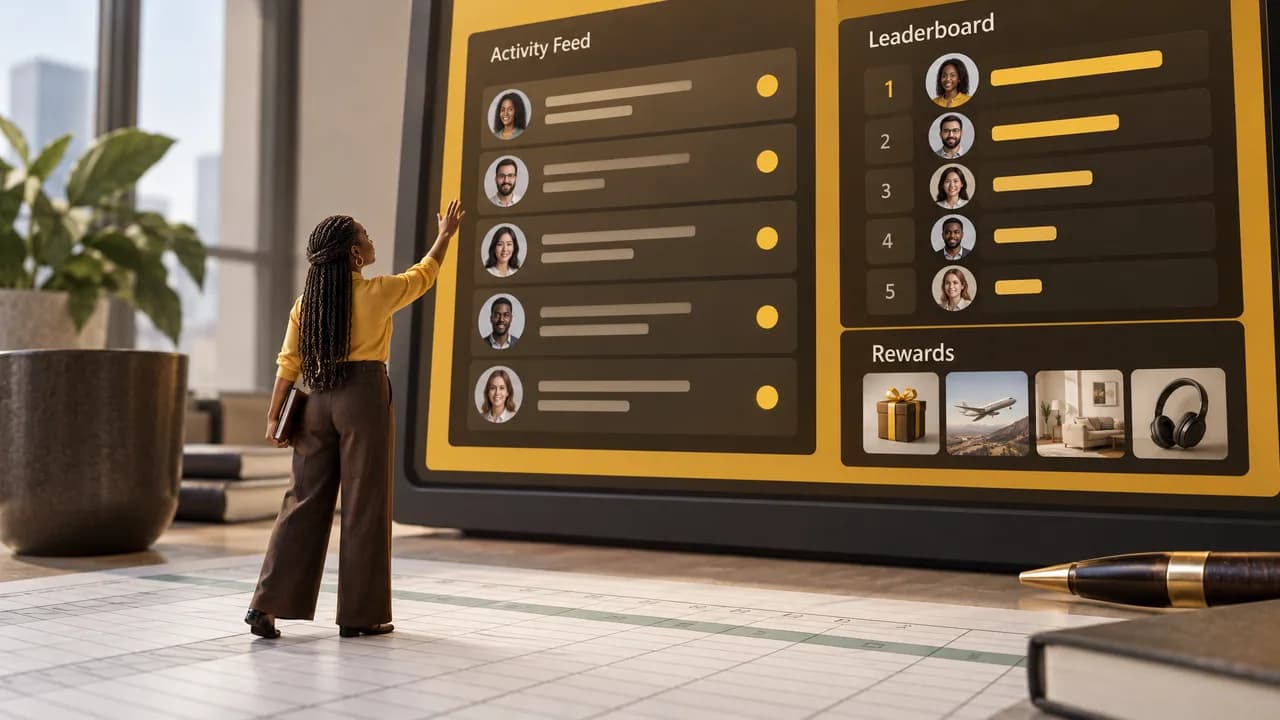
Automated Reminders in Excel: The Build That Survives Past Monday
Automated reminders in Excel work as a build-then-hand-off pattern: a date column, a status flag, one flow. Here is the format, the fails, and the fix.
9 min read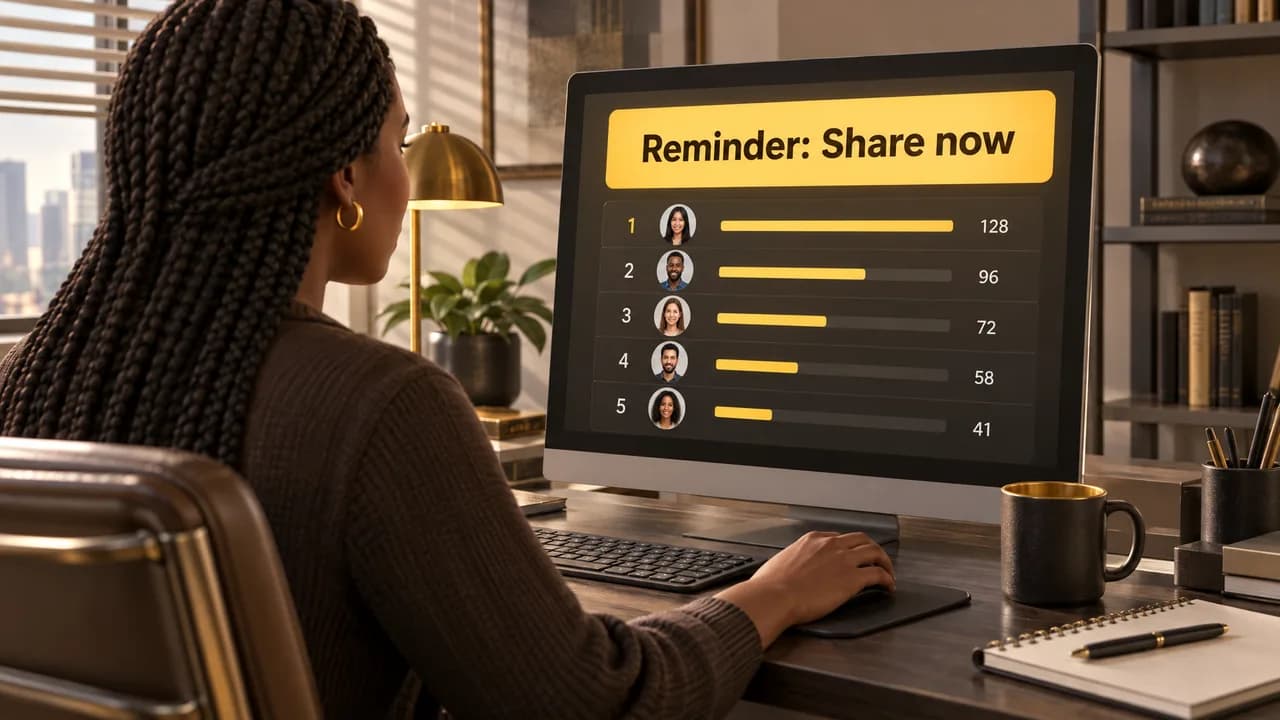
Automated Reminders in Teams: Why Most of Them Get Ignored
Automated reminders in Teams fail when they carry no consequences. The fix is not a better message. Get that order right and the reminder stops being noise.
9 min read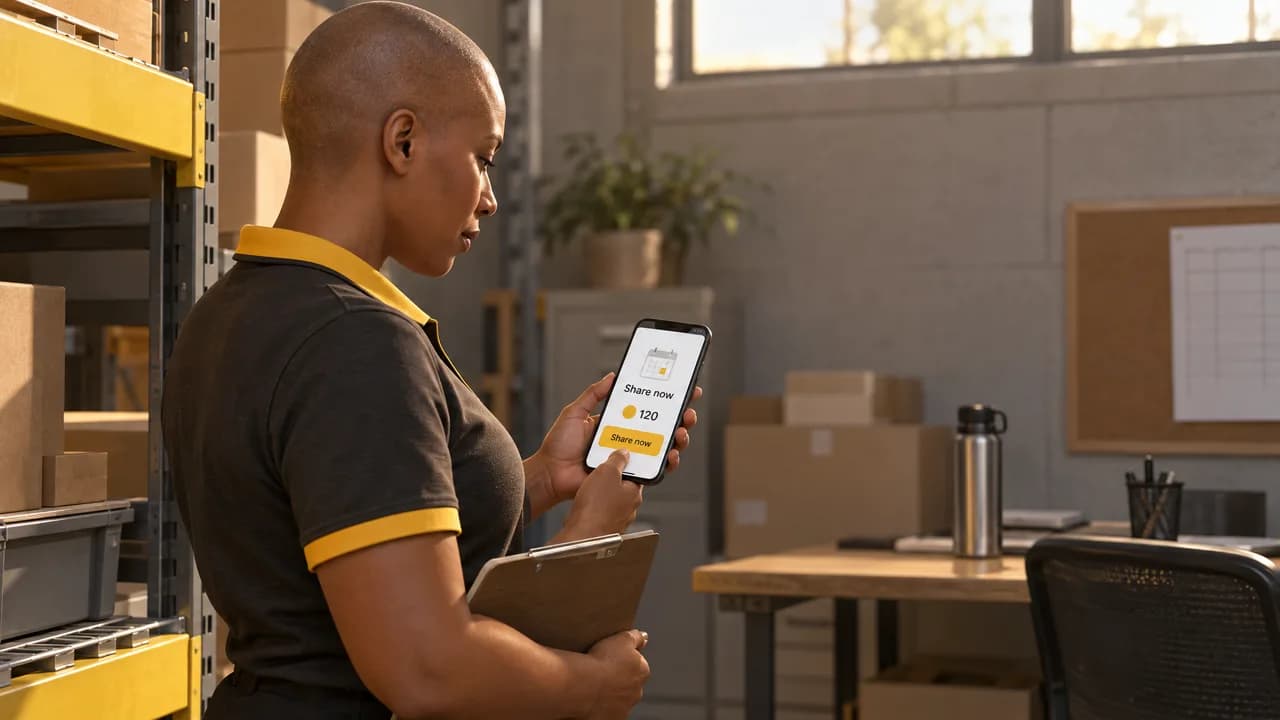
Employee Social Sharing Schedule Automation: A Working Guide
The queue holds the content. Posts enter it from your marketing calendar rather than from a last-minute Slack message on a Friday.
9 min read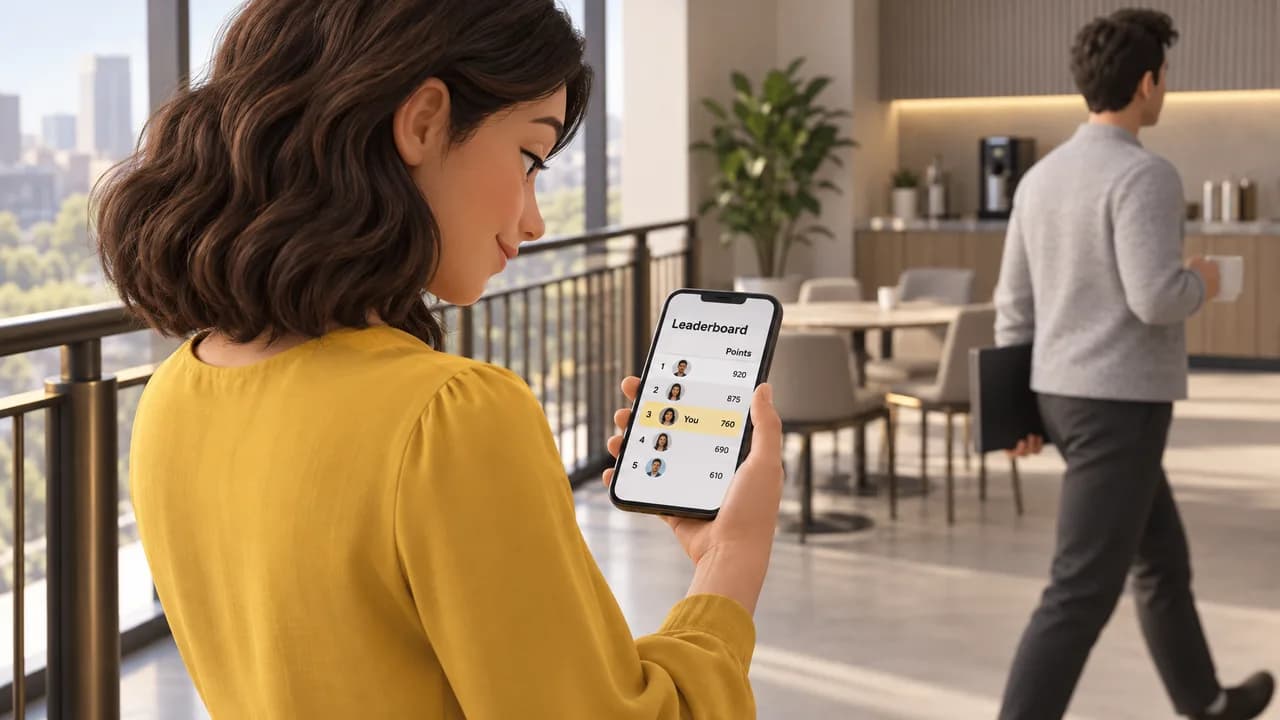
Employee Advocacy Support: Why Voluntary Sharing Programs Stall
Employee advocacy works by turning your people, already part of the most trusted institution globally at 78%, into trusted voices for your brand (Hootsuite).
9 min read
Social Media Gamification Ideas That Hold Up Past Launch Week
Social media gamification ideas that hold past launch week: how points, prizes, and leaderboards work when they run on a repeatable weekly schedule.
9 min read
Rewards and Promotions That Keep Teams Posting Past Week One
Rewards and promotions for employee social sharing work only when prizes sit on a visible leaderboard and a predictable schedule. Here is how to build the loop.
9 min read
Rewards for Winners: Why Recurring Milestones Beat One-Off Luck
Rewards for winners should attach to visible, recurring milestones. Here is how to pick, sequence, and run them so sharing does not stall.
9 min read
Best AI Social Media Post Generator: Pick the Team System
The best AI social media post generator choice depends on whether your team will actually share. Here is how to test tools before you commit budget.
7 min read
Automated Employee Social Media for Small Business That Works
Automated employee social media for small business works when reminders and rewards replace manual asks. Here is how small teams build reach that compounds.
9 min read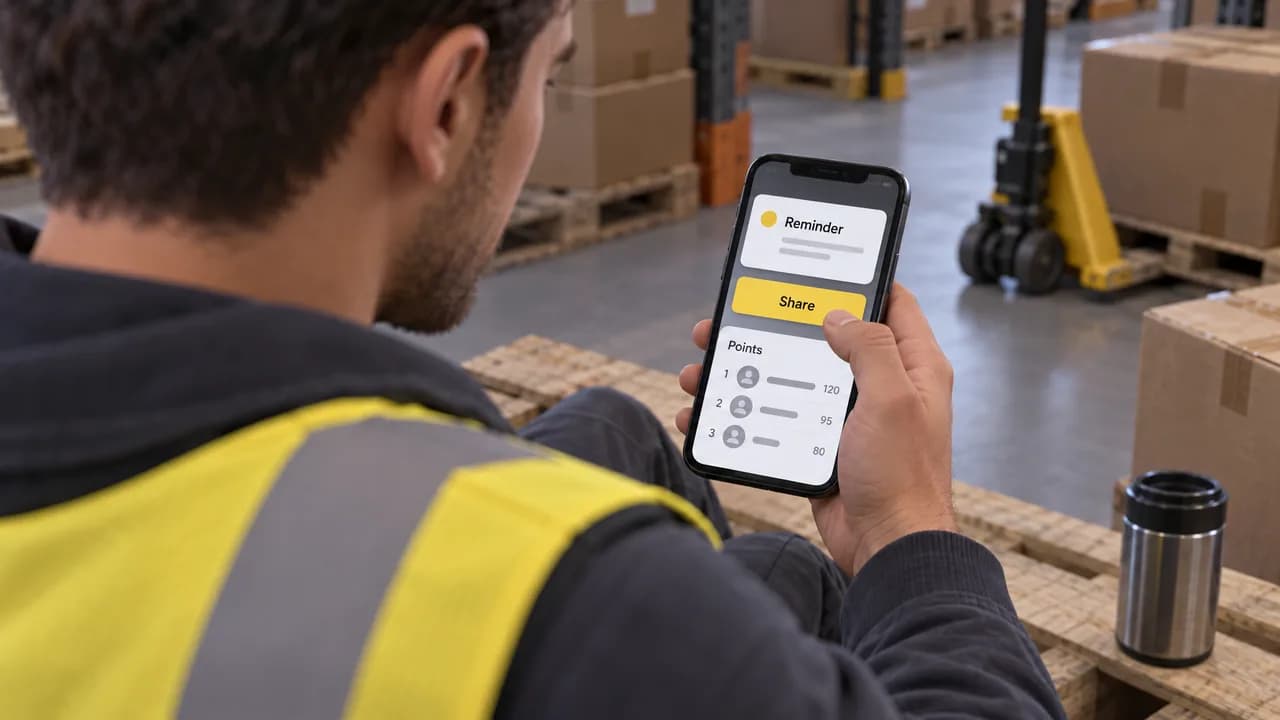
SMM Pro Buzz, Explained Without the Vendor Hype
SMM pro buzz decoded: what the term covers, how gamified sharing programs work, and the criteria that separate tools that get used from tools that don't.
9 min read
Buzz Promotions That Survive Past Launch Week
Buzz Promotions run as a structured, rewarded program with visible standings beat one-off pushes. Here is the mechanism, the failure points, and the fix.
9 min read
Employee Leaderboard Guide: Wire It to Reminders and Rewards
An employee leaderboard template only works when it is wired to automated reminders and real rewards. Learn the moving parts, the steps, and the trade-offs.
7 min read
Leaderboard Ranking System: Make It Reward the Right Work
A leaderboard ranking system only works when it ranks the behaviors you want repeated. See how scoring, decay, and team boards drive real sharing.
12 min read
What G2 Employee Advocacy Gets Right and What It Skips
G2 employee advocacy searches reveal buyer checklists, not program design. Here is what review pages hide and how to pick a platform your team actually uses.
11 min read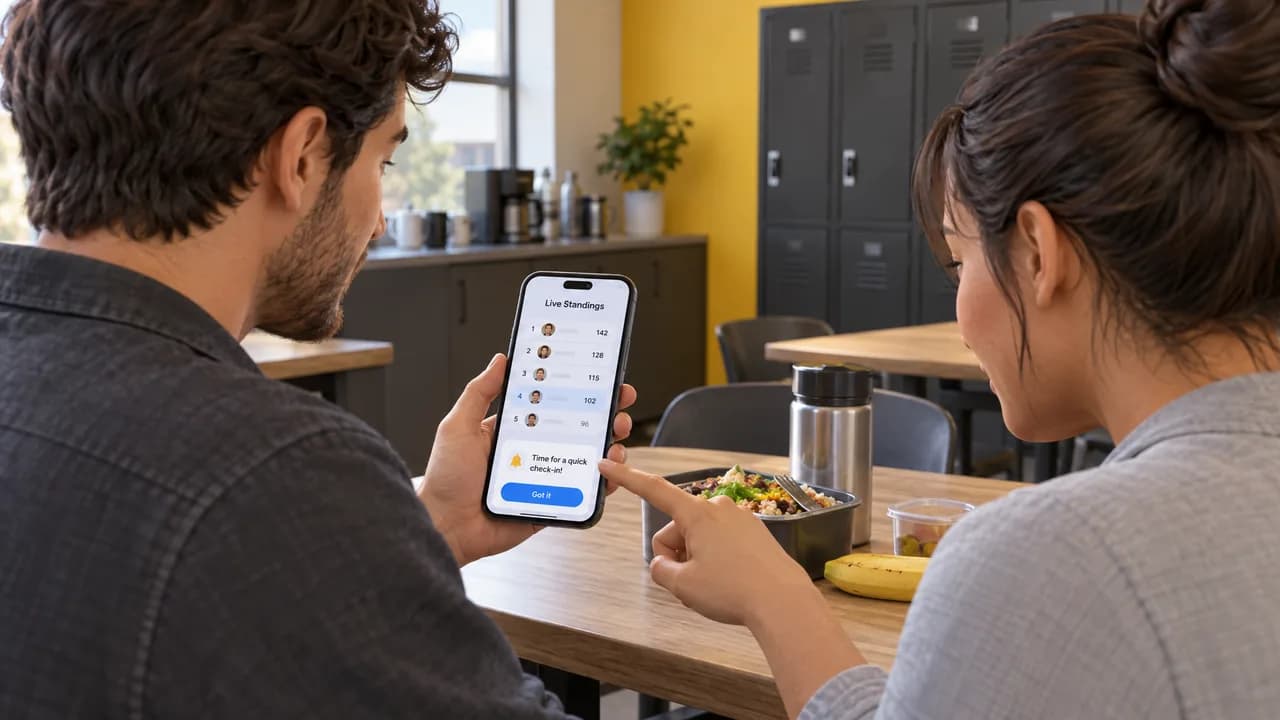
What Buzz 60 Gets Wrong About Employee Social Sharing
Buzz 60 searches suggest teams want quick reach, but sustained employee social sharing needs reminders, leaderboards, and rewards, not burst campaigns.
8 min read
Social Media Marketing for Tourism Needs Staff, Not Just Another Ad Budget
Social media marketing for tourism lives or dies on real people sharing. Here is how to turn staff into steady, rewarded amplifiers of your destination.
8 min read
Buzz Monitoring Tools Only Pay Off If Your Team Actually Shares
Buzz monitoring tools track every mention of your brand. But tracking without employee amplification leaves the reach on the table.
9 min read
How to Encourage Employees to Share on Social Media Without Nagging Them
Learn how to encourage employees to share on social media with rewards, reminders, and tracking that make participation worth their time.
12 min read
Employee Advocacy LinkedIn: Why Volunteers Quit and Leaderboards Do Not
Employee Advocacy LinkedIn: Why Volunteers Quit and Leaderboards Do Not. The reach is sitting right there in your org chart.
10 min read
Social Gamification Examples That Outlast the Week They Launched
Social gamification examples worth copying tie prizes to a repeatable sharing habit, not a single contest. Here's how to tell the two apart.
8 min read
For Social Media Marketing Professionals, Reach Beats Ads
Social media marketing professionals get cheaper reach by activating employees than by buying more ads. Here is the mechanism, the math, and when it fails.
9 min read
Objectives of a Social Media Campaign: Define the Metric Before the Post
The objectives of a social media campaign should name a person, a metric, and a window. Teams that set them before launch get compounding reach.
11 min read